
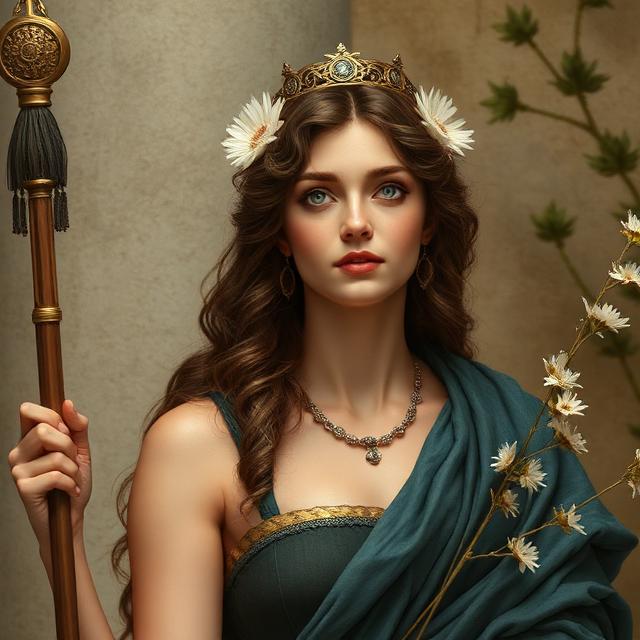
Artemisia I of Caria
Born: c. 520 BCE
Known for: Praised by Herodotus for her intelligence and tactical insight.
Died: after 480 BCE (exact death date unknown)
Age: Unknown
Allegiance: Achaemenid Persian Empire; Loyal to King Xerxes I; Ruler of Halicarnassus (Caria)
Conflicts: Battle of Salamis (480 BCE) — commanded five ships in Xerxes’ fleet; Broader Greco-Persian Wars (early 5th century BCE)
Cause of Death: An oracle told her to jump from the top of the rock of Leucas, as those who leapt from this rock were said to be cured from the passion of love. However, she was killed after she jumped from the rock and buried near the spot.
Resting Place: Unknown / not recorded historically
Spouses: Unknown / not recorded historically
Artemisia I of Caria (Ancient Greek: Ἀρτεμισία, transl. Ártemisía; fl. 480 BC) was a queen of the ancient Greek city-state of Halicarnassus, which is now in Bodrum, Turkey. She was also queen of the nearby islands of Kos, Nisyros and Kalymnos, within the Achaemenid satrapy of Caria, in about 480 BC. She was of Carian-Greek ethnicity by her father Lygdamis I, and Greek Cretan by her mother. She fought as an ally of Xerxes I, King of Persia against the independent Greek city states during the second Persian invasion of Greece. She personally commanded ships at the naval battle of Artemisium and at the naval Battle of Salamis in 480 BC. She is mostly known through the writings of Herodotus, himself a native of Halicarnassus, who praises her courage and relates the respect in which she was held by Xerxes.
Artemisia's father was the satrap of Halicarnassus, Lygdamis I (Λύγδαμις Α') and her mother was from the island of Crete. She took the throne after the death of her husband, as she had a son, named Pisindelis (Πισίνδηλις), who was still a youth. Artemisia's grandson, Lygdamis II (Λύγδαμις Β'), was the satrap of Halicarnassus when Herodotus was exiled from there and the poet Panyasis (Πανύασις) was sentenced to death, after the unsuccessful uprising against him.