
LEGO Scala
1979
LEGO Scala was a product line that ran in two distinct periods, from 1979-1980 and again from 1997-2001, primarily targeting young girls as a competitor to fashion dolls like Barbie. The two iterations offered very different products.
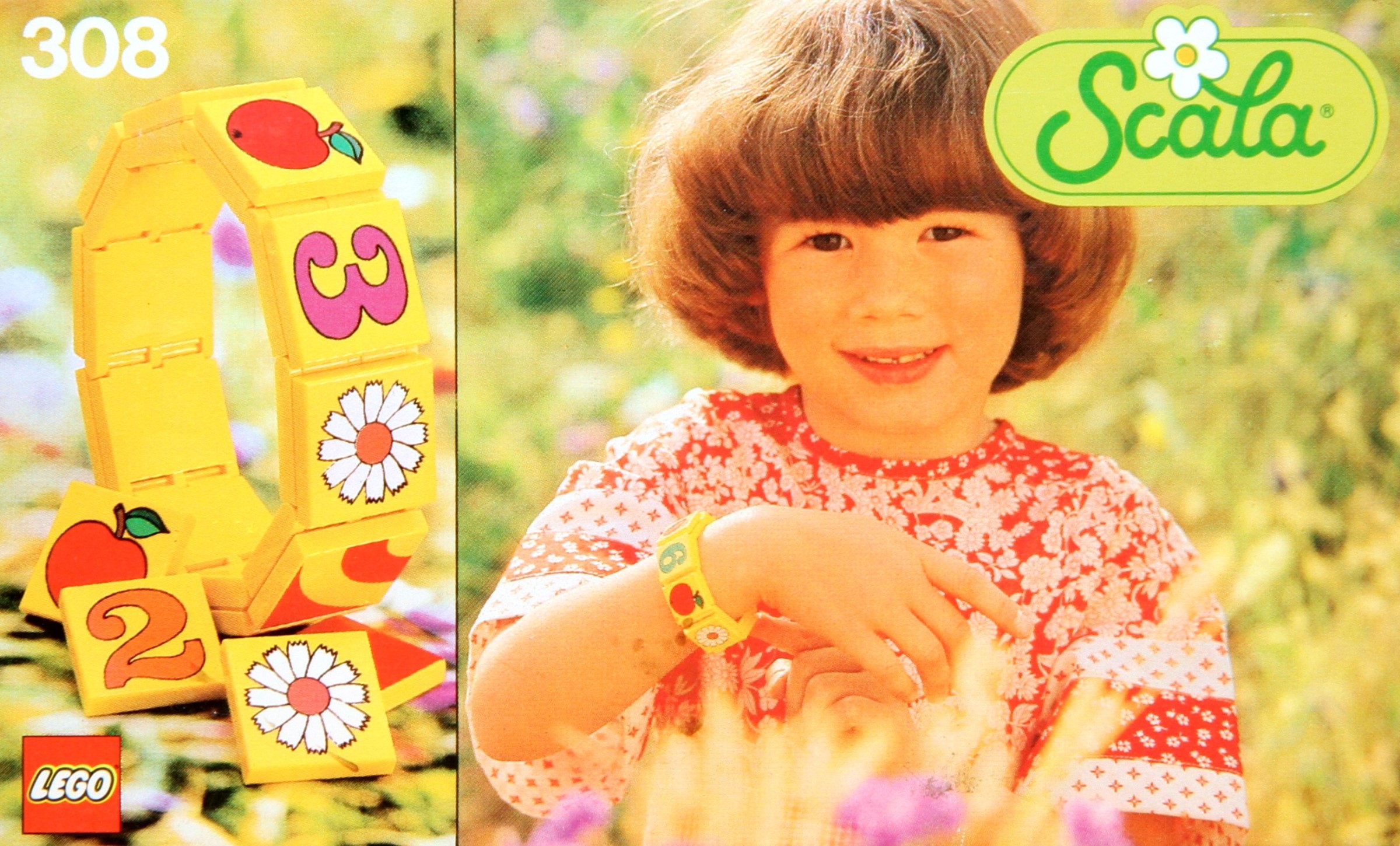
First Generation (1979-1980): Jewelry The initial run of the Scala theme focused on wearable accessories that could be customized with LEGO bricks.
Product Type: This series consisted of jewelry items like bracelets, necklaces, and pendants that users built and decorated with various colored and printed LEGO plates and tiles.
Compatibility: These were part of the standard LEGO System, allowing for creative expression using existing bricks.
Performance: The initial jewelry line was not commercially successful and was discontinued in 1981.
Second Generation (1997-2001): Dolls and Dollhouses
Scala was revived with a completely different concept nearly two decades later, featuring large dolls and dollhouse environments.
Product Type: The focus shifted to large, dollhouse-style playsets with detailed furniture, clothing, and accessories designed for imaginative role-play. The figures were much larger than standard minifigures and had articulated limbs.
Unique Building Elements: The sets incorporated specialized large panels, fabric pieces, and unique "flower-shaped" studs on some baseplates, which were compatible with regular 2x2 or 2x4 LEGO bricks.
Themes: The sets covered various domestic and social scenarios, including homes, kitchens, stables, and fashion boutiques, with many clothing options available to dress the dolls.
Goal: This iteration aimed to directly compete with fashion doll brands like Mattel's Barbie by offering a creative, buildable alternative.
The Scala theme is an unusual part of LEGO history due to its significant deviation from the core building system in its second run, and it remains a unique collecting niche.