
Trump administration tells prosecutors to stand down on Venezuela leader
2026, May 28
Trump administration tells prosecutors to stand down on Venezuela leader
2026, May 28
Venezuela
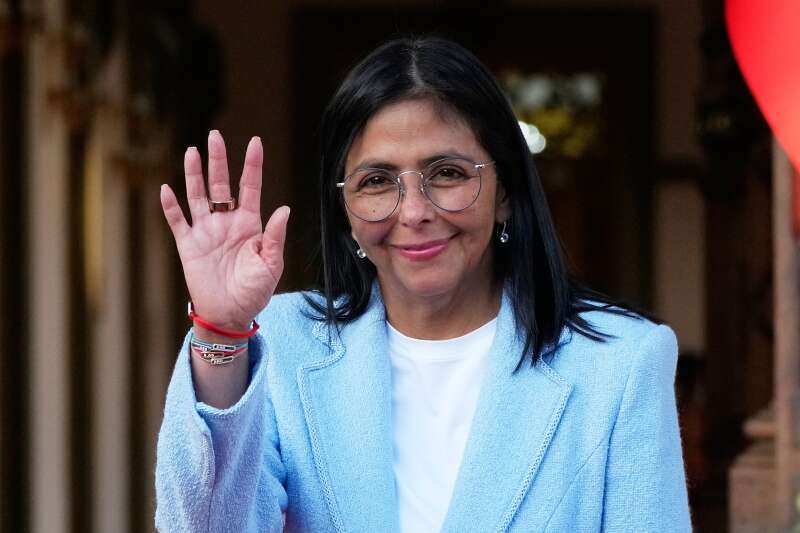
According to an exclusive report from the Associated Press, the Trump administration has instructed federal prosecutors in Miami to back away from active criminal investigations into Venezuela’s acting president, Delcy Rodríguez.The move marks a major shift in U.S. policy toward Venezuela after the dramatic January 2026 U.S. operation that captured former Venezuelan leader Nicolás Maduro and installed a transitional government led by Rodríguez.
AP reported that Rodríguez had long been scrutinized by the DEA over alleged drug trafficking and money laundering links, though she has never been formally charged in the United States. Current and former law-enforcement officials told AP that prosecutors were quietly told to “stand down” as Washington tries to stabilize relations with Caracas and encourage U.S. investment in Venezuela’s oil sector.
The policy change appears tied to broader normalization efforts:
The U.S. formally recognized Rodríguez’s authority earlier this year.
Some sanctions have been eased.
Talks on reopening diplomatic channels and expanding energy cooperation are underway.
Critics inside the U.S. government reportedly argue the decision risks politicizing criminal investigations for diplomatic purposes. Senators including Elizabeth Warren and Jeanne Shaheen have questioned whether the administration is overlooking corruption and democratic concerns in exchange for geopolitical and energy advantages.
The development also reflects how strategically important Venezuela has become amid wider global instability, especially with tensions in the Middle East affecting oil markets. Venezuela holds some of the world’s largest proven oil reserves, and Washington appears increasingly focused on securing alternative energy partnerships in the Western Hemisphere.