
Russian President Vladimir Putin is increasingly signaling that he may escalate the war in Ukraine
2026, May 29
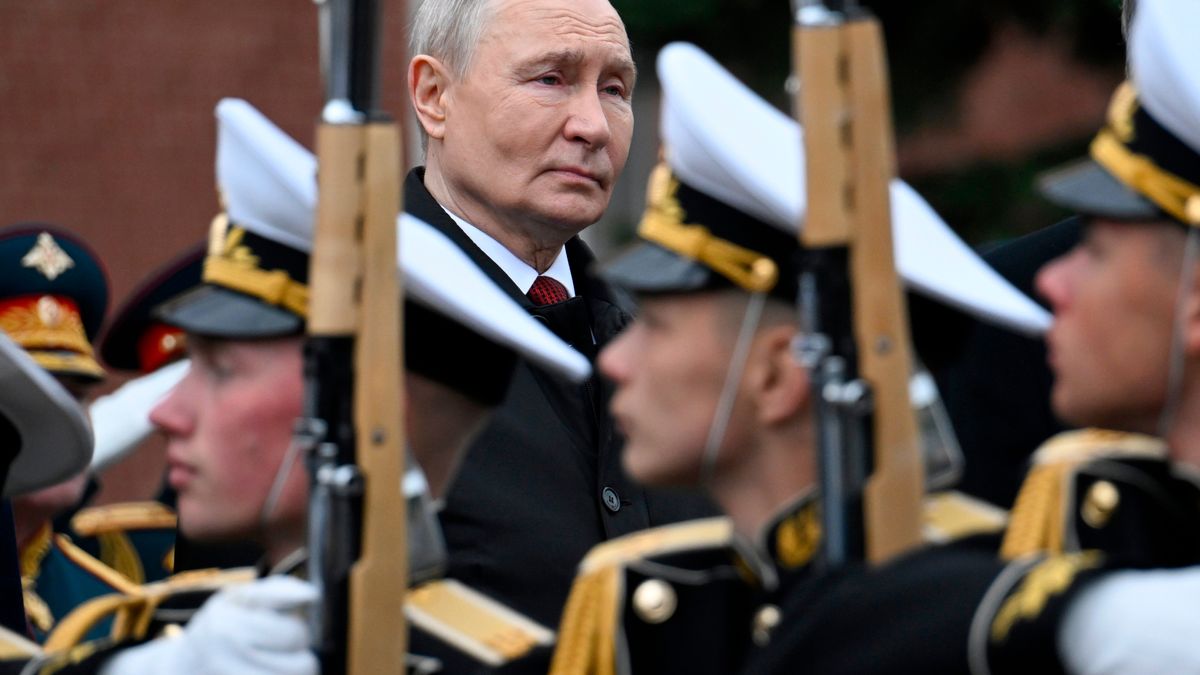
Russian President Vladimir Putin is increasingly signaling that he may escalate the war in Ukraine
2026, May 29
Ukraine
Russian President Vladimir Putin is increasingly signaling that he may escalate the war in Ukraine as battlefield momentum stalls and domestic economic pressures grow inside Russia.Recent assessments from Western intelligence officials and analysts suggest the Kremlin is preparing for a longer conflict rather than pursuing meaningful concessions in peace talks. Russia has intensified missile and drone strikes on Ukrainian cities while continuing offensives in eastern Ukraine despite high casualties.
Several factors appear to be driving this tougher posture:
Military stalemate: Russian advances remain slow and costly, while Ukraine continues to resist with Western military support.
Domestic strain: Inflation, labor shortages, and war spending are putting pressure on the Russian economy. Public frustration reportedly remains contained but is growing beneath the surface.
Political signaling: Putin has increasingly framed the war as an existential struggle against the West, rhetoric analysts say can help justify further mobilization or escalation. Strategic timing: Some observers believe the Kremlin may be trying to intensify pressure before potential political changes in the U.S. and Europe affect future aid to Ukraine.
There are also growing concerns among NATO officials that Russia could expand hybrid attacks — cyber operations, sabotage, disinformation campaigns, and airspace provocations — against European countries supporting Ukraine. Recent incidents involving drones crossing into neighboring NATO territory have heightened those fears.
At the same time, analysts caution that escalation does not necessarily mean a dramatic new offensive immediately. Russia still faces limits in manpower, equipment production, and sanctions pressure. Instead, escalation may come through:
larger drone and missile barrages,
expanded strikes on infrastructure,
harsher mobilization measures,
or broader gray-zone operations against Europe.
The conflict increasingly resembles a prolonged war of attrition with neither side currently able to secure a decisive breakthrough.