
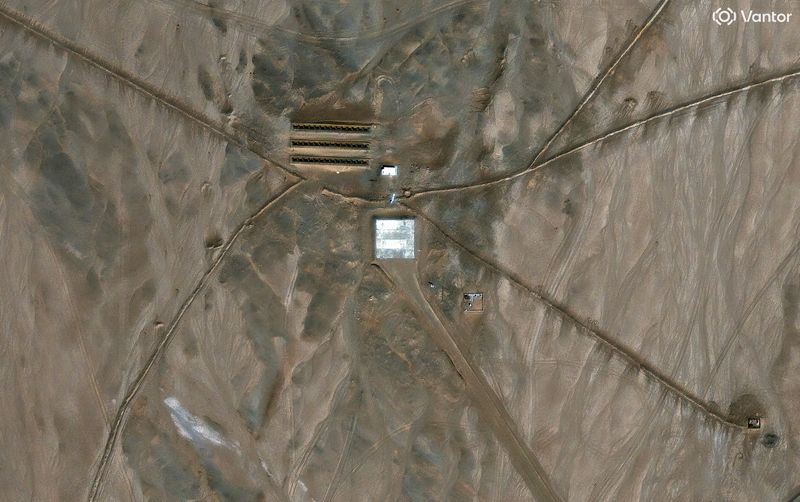
China is building a large network of launch pads
2026, May 29
China
China is building a large network of launch pads, bunkers, communications hubs, and support facilities near its nuclear missile silo fields in remote desert regions of Xinjiang and Gansu, according to satellite imagery reviewed by Reuters and analyzed by security experts.The newly identified infrastructure reportedly includes:
more than 80 launch-pad sites,
fortified bunkers and weapons-storage zones,
airfields and rail links,
command-and-control facilities,
and possible electronic warfare and satellite communication systems.
Analysts believe the construction is aimed at strengthening China’s “second-strike” nuclear capability — meaning the ability to retaliate even after suffering a nuclear first strike. That survivability is central to nuclear deterrence strategy.
The development comes amid a rapid modernization of China’s nuclear forces under President Xi Jinping. U.S. defense assessments estimate China now possesses more than 600 nuclear warheads and could exceed 1,000 by 2030.
Western analysts say the scale and speed of the buildup mark the biggest expansion of China’s land-based nuclear infrastructure in decades, intensifying strategic competition with the United States — especially as tensions continue over Taiwan and the Indo-Pacific.
China officially maintains a “no first use” nuclear policy and says its arsenal exists only for defensive deterrence. However, growing secrecy around the program and the construction of hardened facilities have raised concerns among arms-control experts and Western governments about Beijing’s long-term strategic intentions.