
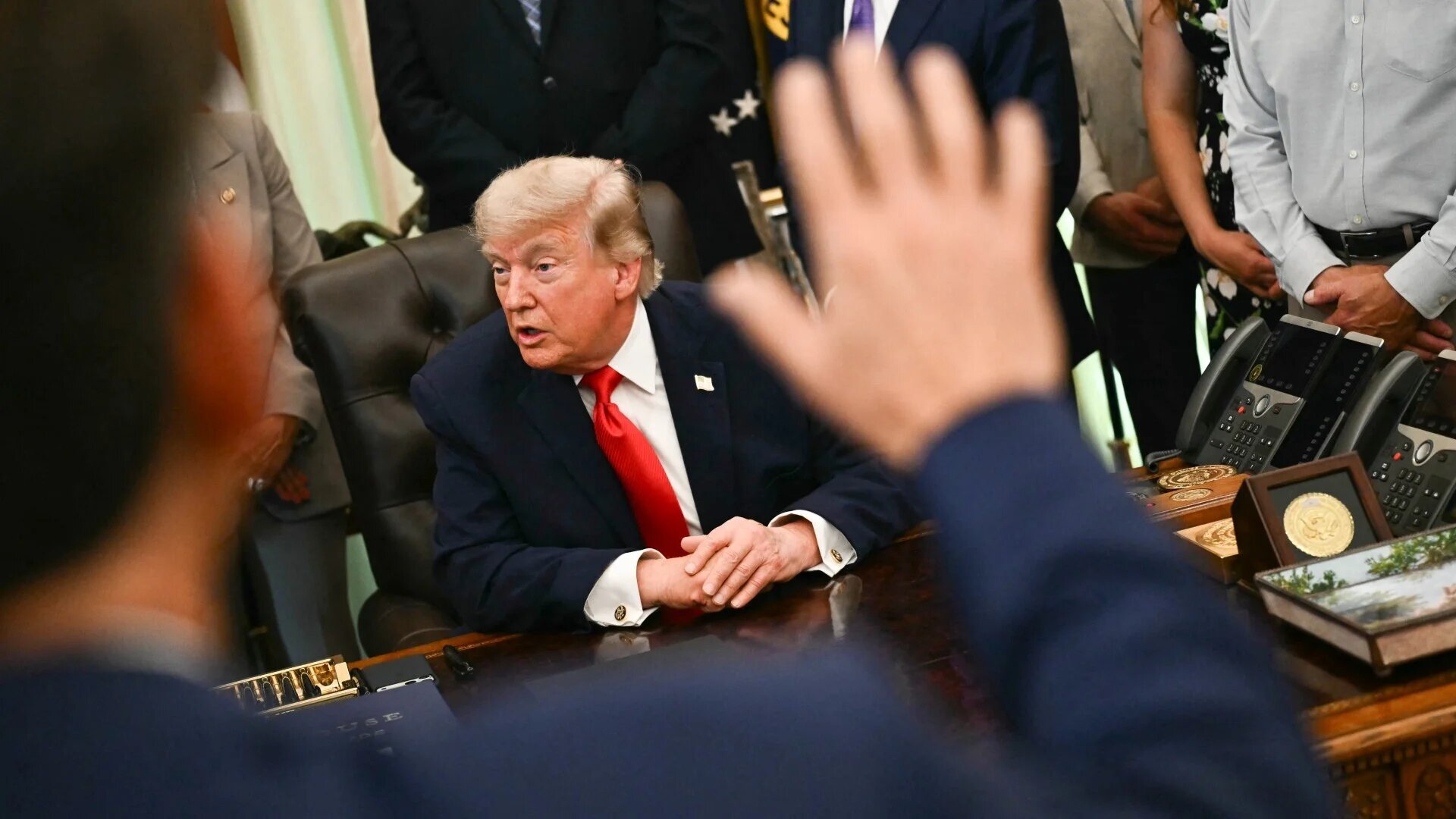
Trump said a settlement to end the conflict with Iran is close
2026, June 12
Iran
President Donald Trump said a settlement to end the conflict with Iran is close and suggested an agreement could be signed soon, potentially leading to the reopening of the Strait of Hormuz. According to Trump, the proposed deal would include preventing Iran from obtaining a nuclear weapon and restoring normal maritime traffic through the strategically important waterway.However, there is still uncertainty. While Trump has said that key points of an agreement have been approved and that planned U.S. military strikes were canceled because of progress in negotiations, Iranian officials have publicly pushed back on claims that a final agreement has been reached. Reports indicate that negotiations are continuing, with mediators from the Gulf region helping narrow differences.
Why the Strait of Hormuz matters
The Strait of Hormuz is one of the world's most important energy chokepoints, carrying a significant share of global oil and liquefied natural gas shipments. Any disruption can affect energy prices and global trade. The waterway has remained a focal point of the conflict, with previous threats, tolls, blockades, and military incidents involving commercial shipping and military vessels.
What's happening on the ground?
Despite talk of a settlement, tensions remain elevated:
The U.S. and Iran have exchanged accusations and military actions in recent days.
Questions remain over incidents involving U.S. aircraft and maritime security in and around the Strait of Hormuz.
Humanitarian and legal concerns have been raised over strikes on infrastructure near the strait.
Market impact
Oil markets have reacted to signs that diplomacy may succeed. Reports indicate oil prices eased when Trump suggested a peace agreement was nearing completion, reflecting expectations that shipping through the Strait of Hormuz could normalize.
Bottom line
A potential U.S.-Iran agreement appears closer than it has been in months, and Trump is publicly optimistic that a deal could reopen the Strait of Hormuz and solidify a ceasefire. But Iran has not yet confirmed a final agreement, so the situation remains fluid and subject to rapid change.