
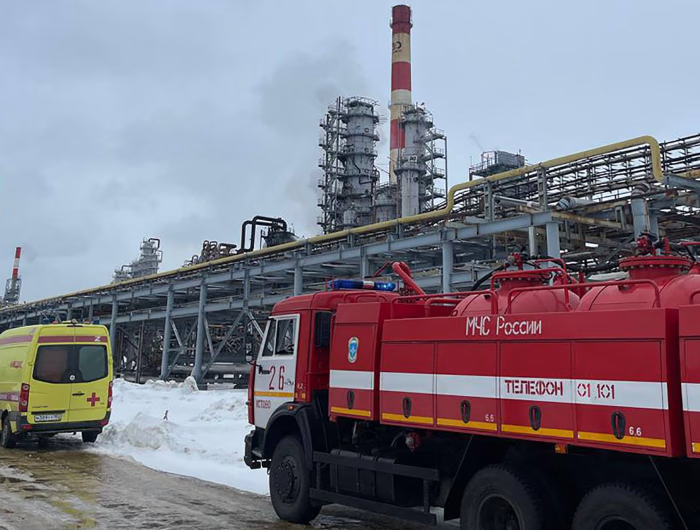
Ukraine's campaign against Russian fuel logistics
2026, June 12
Ukraine
Ukraine's campaign against Russian fuel logistics has led to the most serious fuel shortages seen in Russian-held Crimea since Russia annexed the peninsula in 2014. Ukrainian drones and missiles have targeted fuel depots, tanker trucks, bridges, rail links, and supply routes connecting Crimea to mainland Russia.Reports from Sevastopol and other Crimean cities indicate that many petrol stations have run dry, long queues have formed at those still operating, and fuel rationing has been introduced. In some areas, fuel distribution has been restricted to emergency and government services.
Ukraine's strategy appears aimed at disrupting not only fuel production inside Russia but also the transportation network that moves fuel into Crimea. Recent strikes have reportedly damaged key routes such as the Chonhar bridge and targeted fuel convoys traveling through the land corridor linking Russia to the peninsula.
The Kremlin has acknowledged supply problems, though Russian officials say they are working to stabilize the situation. Deputy Prime Minister Alexander Novak has called for a new fuel-supply forecasting system to help prevent shortages in Crimea and other affected regions.
The fuel crisis has implications beyond civilian motorists:
It complicates Russian military logistics in Crimea.
It threatens the region's tourism industry during the summer season.
It adds pressure to Russia's broader fuel distribution network, which has already been strained by repeated Ukrainian attacks on refineries and energy infrastructure.
The situation remains fluid, with both sides continuing long-range strikes. Ukraine views the attacks as a way to weaken Russia's ability to sustain military operations, while Russia is attempting to reroute supplies and restore fuel deliveries to the peninsula.