
The US is using an Iranian smuggling tactic to sneak oil out of the Gulf
2026, June 16
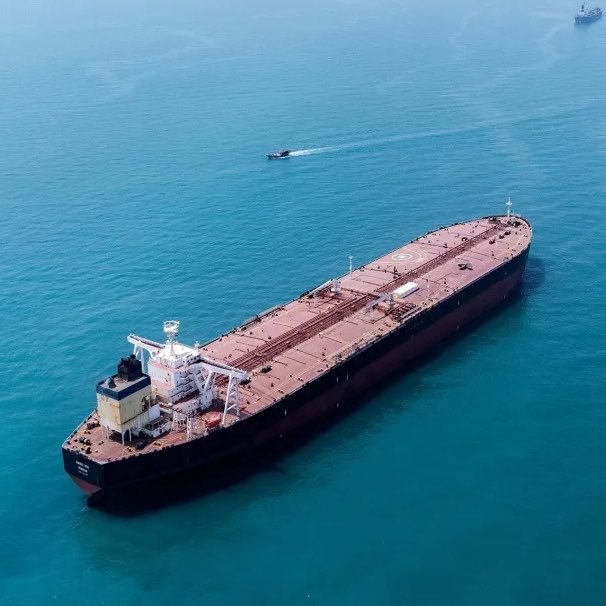
The US is using an Iranian smuggling tactic to sneak oil out of the Gulf
2026, June 16
Iran
The Reuters report is referring to a covert oil-transfer operation that the U.S. military has reportedly overseen since early May to keep Gulf oil exports moving despite disruptions in the Strait of Hormuz. The technique closely resembles methods Iran has long used to evade oil sanctions.According to Reuters:
Smaller tankers move oil from inside the Gulf to transfer points off the coasts of Oman and the UAE.
The oil is then transferred ship-to-ship onto larger tankers for export.
Some vessels reportedly switch off their tracking transponders (AIS) and operate with reduced lighting during parts of the voyage, making movements harder to monitor.
U.S. drones, helicopters, and other surveillance assets have allegedly helped coordinate and protect the operation.
Reuters reported that at least 92 vessels and roughly 90 million barrels of crude oil and petroleum products have been involved in these transfers. The operation has not been officially acknowledged by U.S. Central Command.
The reason it is being compared to Iranian smuggling tactics is that Iran has frequently used ship-to-ship transfers, 'dark' voyages with transponders switched off, and other maritime concealment methods to move oil despite sanctions. Reuters says the U.S.-backed operation is employing a similar logistical approach, but for a different purpose: maintaining the flow of Gulf oil exports during the Strait of Hormuz crisis.
The backdrop is the disruption of shipping through the Strait of Hormuz, a chokepoint that normally handles about one-fifth of global oil and gas trade. Recent reports indicate that oil traffic has been gradually recovering as diplomatic efforts continue.