
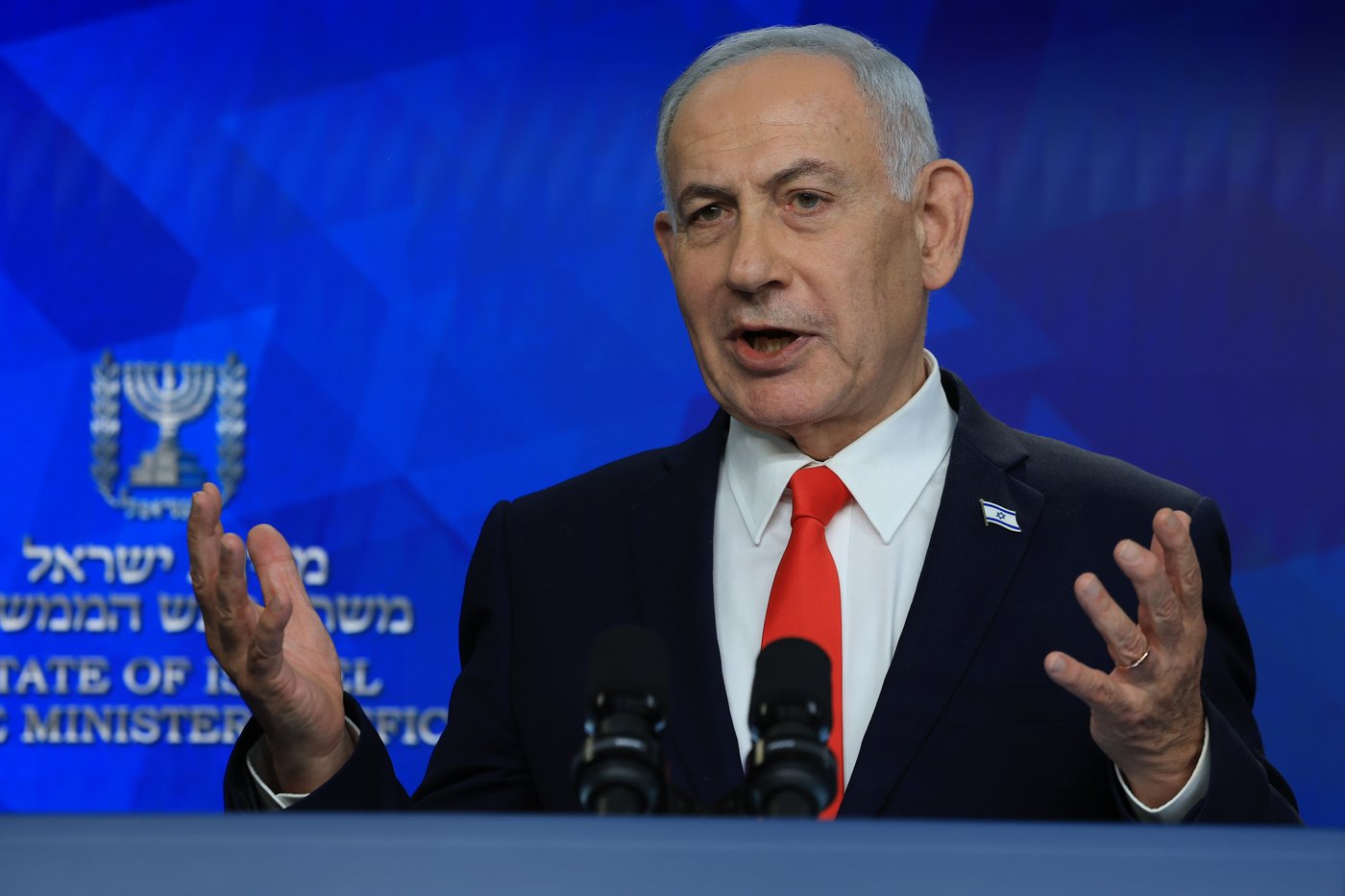
Angry Israelis lash out at Netanyahu after interim US-Iran deal
2026, June 15
Israel
The anger stems from a preliminary U.S.-Iran agreement brokered by President Trump that would extend a ceasefire, reopen the Strait of Hormuz, and begin broader negotiations. Many Israelis—ranging from opposition politicians to some members of Netanyahu's own coalition—view the deal as falling short of key Israeli objectives, particularly concerning Iran's nuclear capabilities and the role of Hezbollah in Lebanon.Critics argue that Prime Minister Benjamin Netanyahu encouraged a military confrontation with Iran while promising outcomes that were not ultimately achieved. They contend that Israel was sidelined during the negotiations and now faces pressure to accept terms largely shaped by Washington and Tehran.
The backlash has come from across Israel's political spectrum:
Opposition leaders have accused Netanyahu of a diplomatic failure and of misreading Trump's willingness to pursue a prolonged conflict.
Some right-wing allies have criticized the prospect of sanctions relief for Iran and objected to any arrangement that could limit Israeli military operations.
Security hawks worry that Iran could retain significant military and nuclear capabilities despite the agreement.
Netanyahu has defended the outcome, arguing that Israeli and U.S. military actions significantly weakened Iran and that Israel remains free to act independently if it believes its security is threatened. He has also emphasized that the agreement was negotiated by Washington and that Israel is not formally bound by it.
A broader issue is the apparent strain between Netanyahu and President Donald Trump. Reuters reports that the two leaders, long seen as close allies, now appear to have differing priorities: Trump is focused on locking in a diplomatic settlement, while Netanyahu remains concerned that the deal leaves major security threats unresolved.
As a result, the agreement has become both a foreign-policy issue and a domestic political challenge for Netanyahu ahead of Israel's upcoming elections.