
International Atomic Energy Agency (IAEA), Rafael Grossi, has stated that U.N. inspectors will return to Iran's nuclear enrichment sites under the recently agreed Iran–U.S. interim accord
2026, June 24
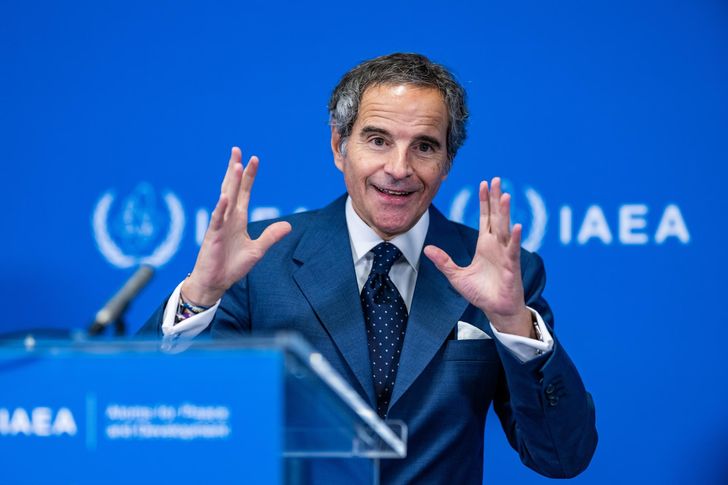
International Atomic Energy Agency (IAEA), Rafael Grossi, has stated that U.N. inspectors will return to Iran's nuclear enrichment sites under the recently agreed Iran–U.S. interim accord
2026, June 24
Iran
The head of the International Atomic Energy Agency (IAEA), Rafael Grossi, has stated that U.N. inspectors will return to Iran's nuclear enrichment sites under the recently agreed Iran–U.S. interim accord, despite conflicting public statements from Washington and Tehran.Grossi said the memorandum of understanding signed as part of the deal explicitly requires IAEA supervision of Iran's nuclear activities. He emphasized that inspections are not optional and that they 'are going to happen,' although the exact timing and operational details are still being worked out with Iranian authorities.
The inspections are considered a central element of the agreement because they would allow the IAEA to verify the status of Iran's stockpile of highly enriched uranium and oversee plans to reduce ('downblend') uranium enriched to near weapons-grade levels. Before the 2025 conflict, the IAEA estimated Iran possessed more than 440 kilograms of uranium enriched to 60%, with a significant portion believed to be stored at facilities such as Isfahan.
The announcement comes after a public disagreement between U.S. and Iranian officials. U.S. Vice President JD Vance and President Donald Trump said Iran had agreed to admit inspectors, while Iran's Foreign Ministry initially denied that inspections of bombed enrichment sites had been scheduled. Grossi's comments suggest the IAEA still expects access under the terms of the accord.
The interim deal reportedly provides a 60-day period for broader negotiations on Iran's nuclear program while also easing some U.S. sanctions and facilitating the reopening of shipping through the Strait of Hormuz. Whether Tehran grants inspectors prompt access will be one of the first major tests of the agreement.