
More stranded oil tankers are successfully leaving the Strait of Hormuz
2026, June 24
More stranded oil tankers are successfully leaving the Strait of Hormuz
2026, June 24
Iran
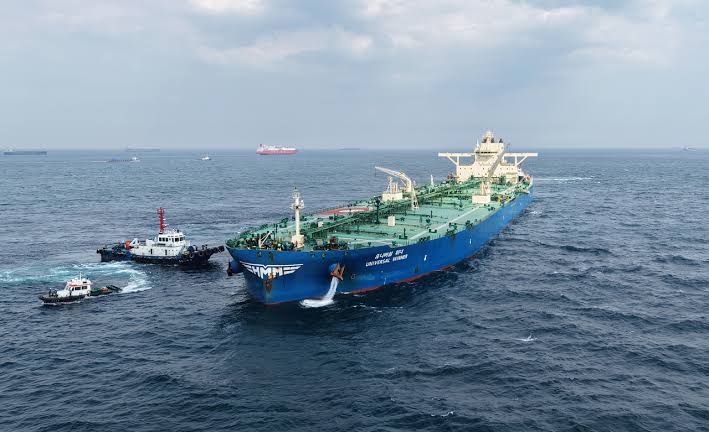
More stranded oil tankers are successfully leaving the Strait of Hormuz, increasing the amount of crude oil reaching world markets and helping to ease fears of a major supply shortage. Ship-tracking data shows that several supertankers carrying crude from the Gulf have recently transited the strait, while additional vessels that had been stranded for months are now beginning to move.The increase in tanker traffic follows the Iran–U.S. interim agreement and efforts by Oman and international maritime authorities to establish safe shipping corridors. On one recent day, 55 merchant vessels carrying more than 17 million barrels of oil transited the strait, a significant improvement compared with the near-total shutdown seen earlier in the conflict.
As more oil reaches the market, crude prices have fallen sharply. Brent crude has dropped to near a four-month low as traders anticipate smoother flows through Hormuz and the possible return of additional Iranian exports under temporary sanctions relief.
The surge in supply is also affecting physical oil markets. Cargoes from Iran, the UAE, Kuwait and Iraq, along with previously stranded shipments, are creating discounts for Middle Eastern crude grades as refiners find themselves well supplied. Some analysts describe the market as shifting from concerns about shortages to concerns about oversupply.
However, the situation remains fragile. Mine-clearing operations are still underway, shipping volumes remain below pre-war levels, and tanker operators continue to face elevated insurance costs and security risks. Industry executives warn that a full return to normal shipping conditions could still take weeks or longer.