
Trump administration is preparing to announce a 30-year civilian nuclear cooperation agreement with Saudi Arabia
2026, July 22
Trump administration is preparing to announce a 30-year civilian nuclear cooperation agreement with Saudi Arabia
2026, July 22
Saudi Arabia
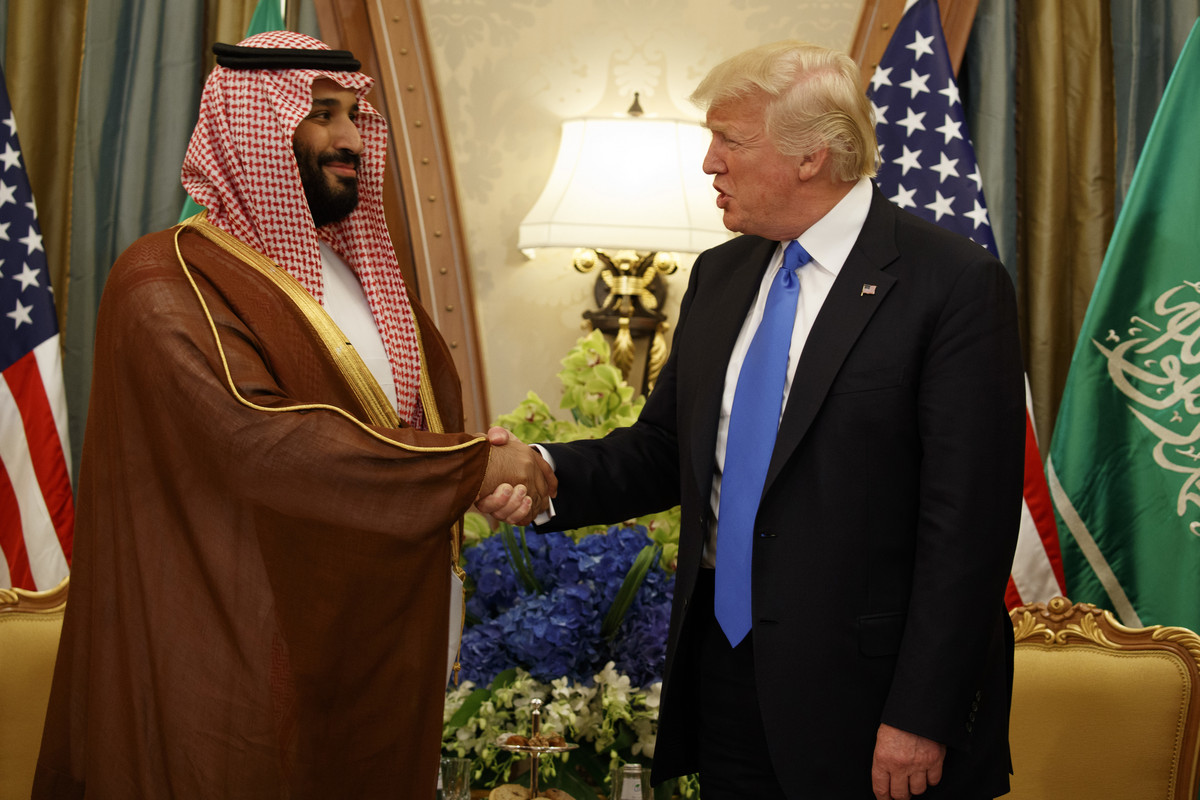
Reports published today say the Trump administration is preparing to announce a 30-year civilian nuclear cooperation agreement with Saudi Arabia that would allow the kingdom to develop a civilian nuclear energy program, including the possibility of uranium enrichment on Saudi soil under U.S. oversight. The agreement is expected to be submitted to Congress for review.The reported deal includes:
U.S. companies, including firms such as Westinghouse, playing a major role in developing Saudi Arabia's nuclear energy sector.
A provision that could permit construction of a uranium enrichment facility after a joint U.S.-Saudi feasibility study.
A reported 'black box' arrangement intended to prevent Saudi operators from accessing the most sensitive enrichment technology directly.
Why it's controversial
The main concern is uranium enrichment. Although enriching uranium is necessary for fuel used in civilian nuclear reactors, the same technology can, if enriched to much higher levels, be used to produce material for nuclear weapons.
Critics argue that:
The agreement reportedly does not require Saudi Arabia to accept the International Atomic Energy Agency's Additional Protocol, which provides stronger international inspections.
It departs from the so-called U.S. 'gold standard' used in some previous nuclear agreements, under which partner countries agree not to enrich uranium or reprocess spent fuel themselves.
Saudi Crown Prince Mohammed bin Salman has previously said that if Iran were to acquire a nuclear weapon, Saudi Arabia would seek one as well, raising concerns about a regional arms race.
Why the U.S. supports it
Supporters of the agreement argue that it would:
Strengthen the U.S.–Saudi strategic partnership.
Keep Saudi Arabia aligned with U.S. technology instead of Russian or Chinese nuclear suppliers.
Create significant commercial opportunities for the American nuclear industry.
Allow Washington to retain greater oversight than if Riyadh pursued a nuclear program with other countries.
The agreement has not yet been formally announced, and it is expected to face close scrutiny in the U.S. Congress, where lawmakers from both parties have already expressed concerns about nuclear proliferation and regional security.