
The death toll from the powerful earthquake in Japan's Kumamoto Prefecture has risen to 34
2026, July 30
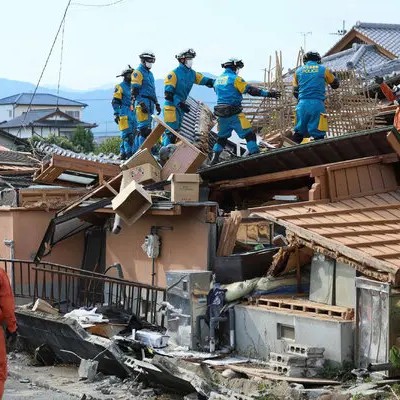
The death toll from the powerful earthquake in Japan's Kumamoto Prefecture has risen to 34
2026, July 30
Japan
The death toll from the powerful earthquake in Japan's Kumamoto Prefecture has risen to 34, according to the latest official updates, as rescue teams continue searching damaged buildings while survivors endure intense summer heat.Key developments include:
34 confirmed fatalities, with dozens more injured and some people still unaccounted for.
Thousands of emergency personnel, including Japan's Self-Defense Forces, firefighters, and police, remain engaged in search-and-rescue operations.
More than 9,000 evacuees are staying in temporary shelters after homes were destroyed or deemed unsafe.
Temperatures have climbed to around 35°C, raising serious concerns about heatstroke, particularly among elderly evacuees and rescue workers. Authorities are distributing drinking water, portable air conditioners, and cooling equipment to shelters.
Thousands of households remain without electricity or running water, complicating relief efforts.
More than 100 aftershocks have been recorded since the main quake, slowing rescue efforts and keeping many residents afraid to return home.
The earthquake also disrupted major industries in Kyushu, with manufacturers such as Toyota, Honda, and Sony temporarily suspending operations because of infrastructure damage and power outages.
Authorities continue to stress that the first few days after a major earthquake are the most critical for finding survivors, while simultaneously working to restore essential services and protect evacuees from the extreme heat.