
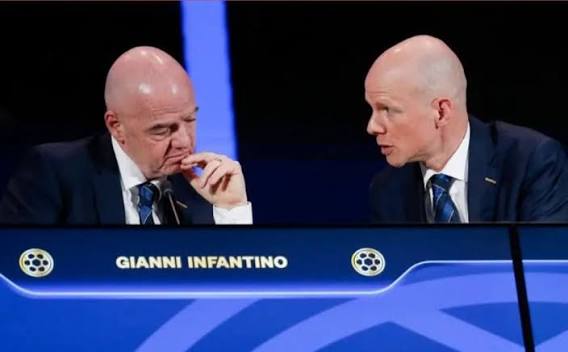
FIFA president has called an emergency meeting in Morocco
2026, August 5
Morocco
FIFA president Gianni Infantino has called an emergency meeting with senior officials in Morocco as the fallout from his controversial plan to sell a stake in a new FIFA commercial rights company continues to grow.The crisis centres on a proposal to sell around 20% of a new FIFA commercial entity linked to future World Cup revenues. The deal was reportedly valued at about $4.2 billion, but it faced intense criticism from football associations and governance groups over concerns about transparency, private influence, and the future control of FIFA's biggest asset — the World Cup.
Growing opposition
The proposal has triggered an unusual wave of internal criticism:
UEFA has expressed a loss of confidence in Infantino's leadership.
CONCACAF has called for a review of FIFA governance. Senior FIFA figures, including Secretary General Mattias Grafström and football development adviser Arsène Wenger, have distanced themselves from aspects of the plan.
The plan was eventually abandoned after the backlash, but the damage to Infantino's position appears to have continued. Some European football federations have reportedly withdrawn support for his expected bid for another term as FIFA president.
Why Morocco?
Infantino is seeking support from FIFA's 211 member associations, particularly in regions where FIFA development funding is considered important, including parts of Africa, Asia, and Oceania. Support from those federations could be crucial if he faces a challenge to his leadership.
Possible consequences
The controversy could lead to:
Increased pressure for governance reforms at FIFA.
A more contested FIFA presidential election.
Greater tension between European football leaders and FIFA's global leadership.
Debate over whether World Cup commercial decisions should remain entirely under FIFA control.
Infantino, who became FIFA president in 2016, has previously survived major political challenges by building strong support among many smaller football associations. The current dispute is significant because opposition is emerging not only externally but also from within FIFA's own leadership structure.