
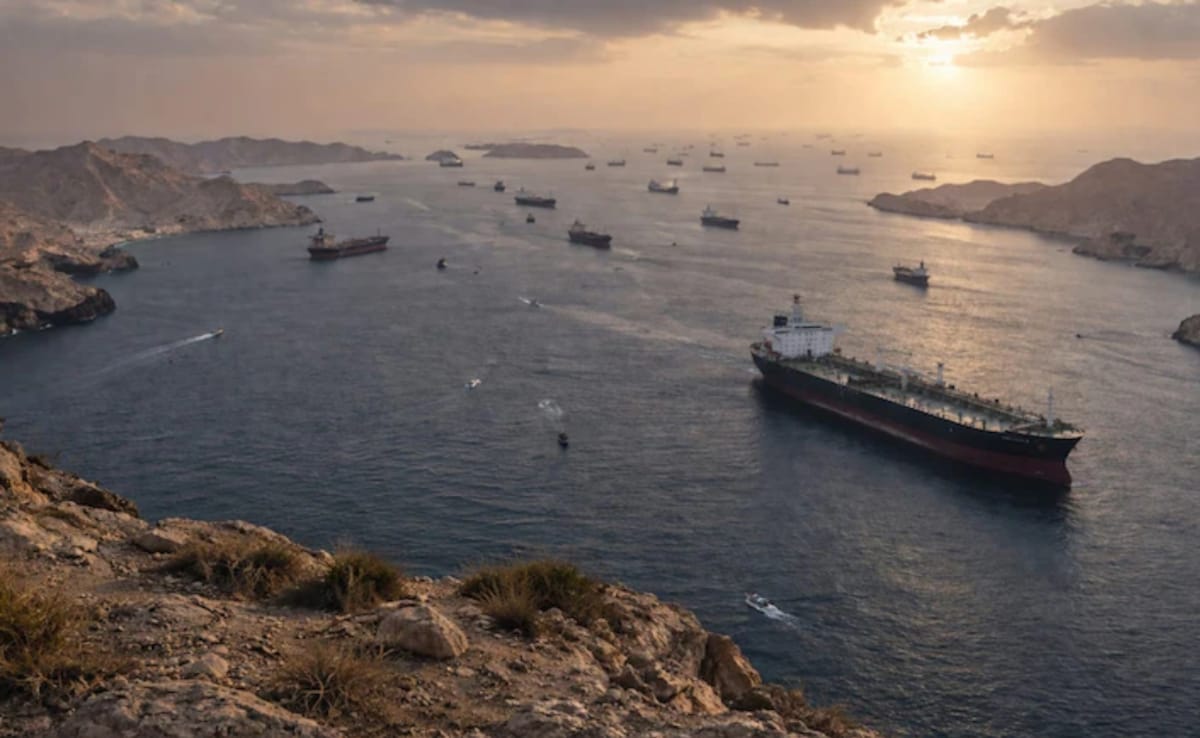
Iran is tightening de facto control over the Strait of Hormuz
2026, May 21
Iran
A new Reuters investigation says Iran is tightening de facto control over the Strait of Hormuz through a mix of military oversight, selective access agreements, and informal transit payments that some ship operators describe as “fees.”Key points from the reporting and related coverage:
Iran has reportedly established a layered control system centered on islands such as Larak and Qeshm, where vessels are visually identified, vetted, and sometimes inspected by the Islamic Revolutionary Guard Corps (IRGC).
Ships tied to countries maintaining workable relations with Tehran — including China, India, Pakistan, and Russia — appear to receive easier passage through negotiated arrangements.
Some commercial operators without state-backed agreements reportedly paid large sums — in some reports up to roughly $2 million per tanker — for safe transit.
Iran argues these charges are security or escort-related service payments, while Western governments say charging for transit through Hormuz violates international maritime law and freedom-of-navigation principles.
Traffic through the strait remains far below normal levels, contributing to global energy volatility and prompting Gulf states such as the United Arab Emirates to accelerate alternative export routes that bypass Hormuz entirely.The broader geopolitical significance is enormous because roughly one-fifth of the world’s seaborne oil trade normally passes through Hormuz. Analysts increasingly describe Tehran as acting like a “gatekeeper” rather than merely threatening disruption.