
The United States has sharply escalated pressure on Cuba by indicting former Cuban leader Raúl Castro over the 1996 shootdown of two civilian aircraft operated by the exile group Brothers to the Rescue.
2026, May 21
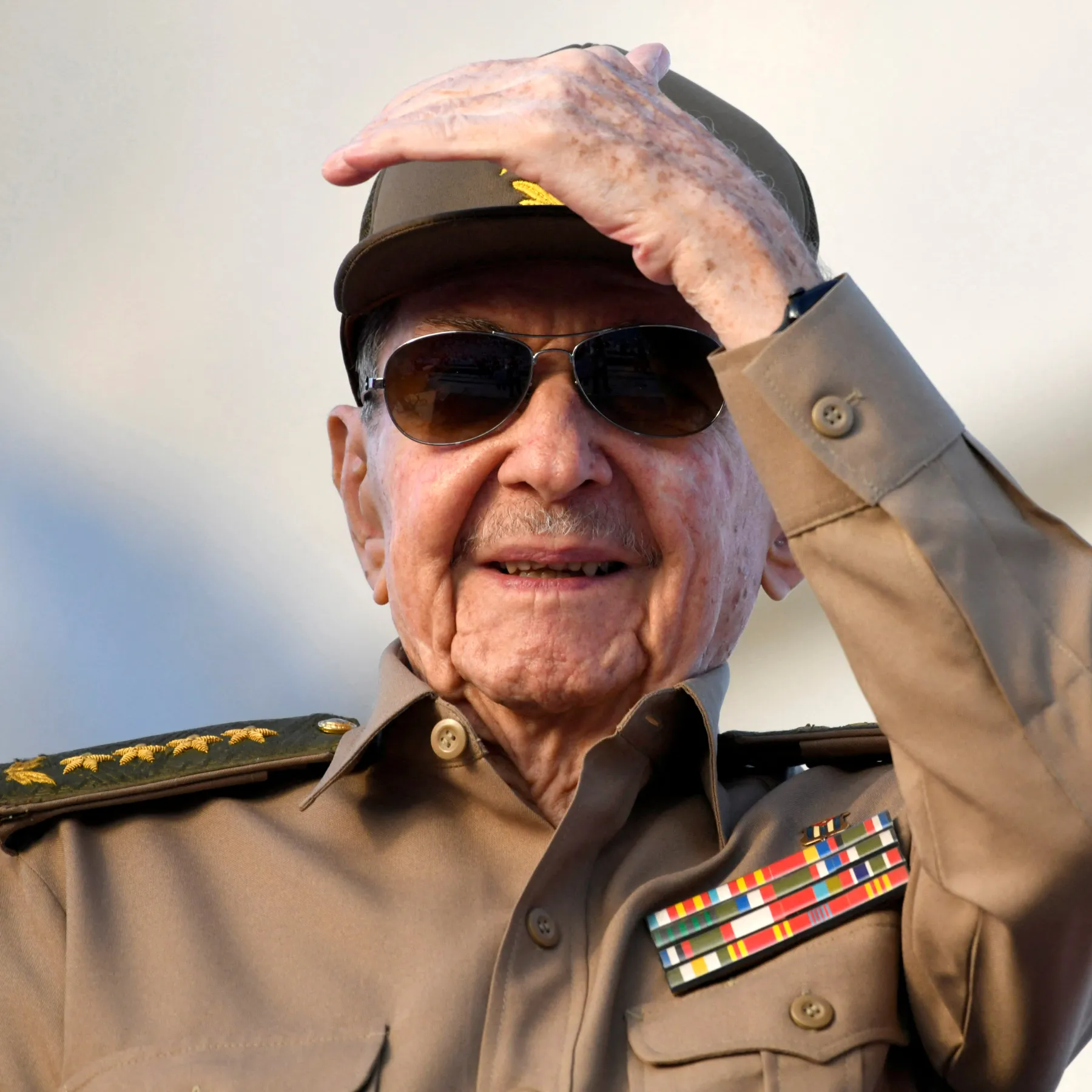
The United States has sharply escalated pressure on Cuba by indicting former Cuban leader Raúl Castro over the 1996 shootdown of two civilian aircraft operated by the exile group Brothers to the Rescue.
2026, May 21
Cuba
The indictment accuses Castro — who was Cuba’s defense minister at the time — of conspiracy to kill U.S. nationals, murder, and destruction of aircraft. The attack killed four people, including three Americans, after Cuban MiG fighters downed the planes near Cuban airspace.The move is widely seen as part of a broader Trump administration campaign to intensify economic and political pressure on Cuba’s communist government.
It comes amid a severe Cuban energy crisis worsened by U.S. sanctions and restrictions on oil shipments to the island.
U.S. officials framed the indictment as long-delayed justice, while Cuba condemned it as politically motivated.
President Donald Trump called the indictment a “very big moment” but publicly downplayed the idea of immediate military action against Cuba.
The legal case centers on one of the most notorious incidents in U.S.-Cuba relations after the Cold War. The Brothers to the Rescue organization flew small aircraft searching for Cuban migrants lost at sea, but Havana accused the group of repeatedly violating Cuban airspace.
Analysts say the indictment is symbolically significant even if Castro, now 94 and still in Cuba, is unlikely to be extradited. It signals that Washington is willing to pursue criminal cases against senior foreign leaders decades after alleged attacks on Americans.
There are also growing concerns in Washington about escalation:
Democratic senators introduced measures aimed at preventing unilateral military action against Cuba.
China publicly criticized the indictment and voiced support for Cuba.